Introduction
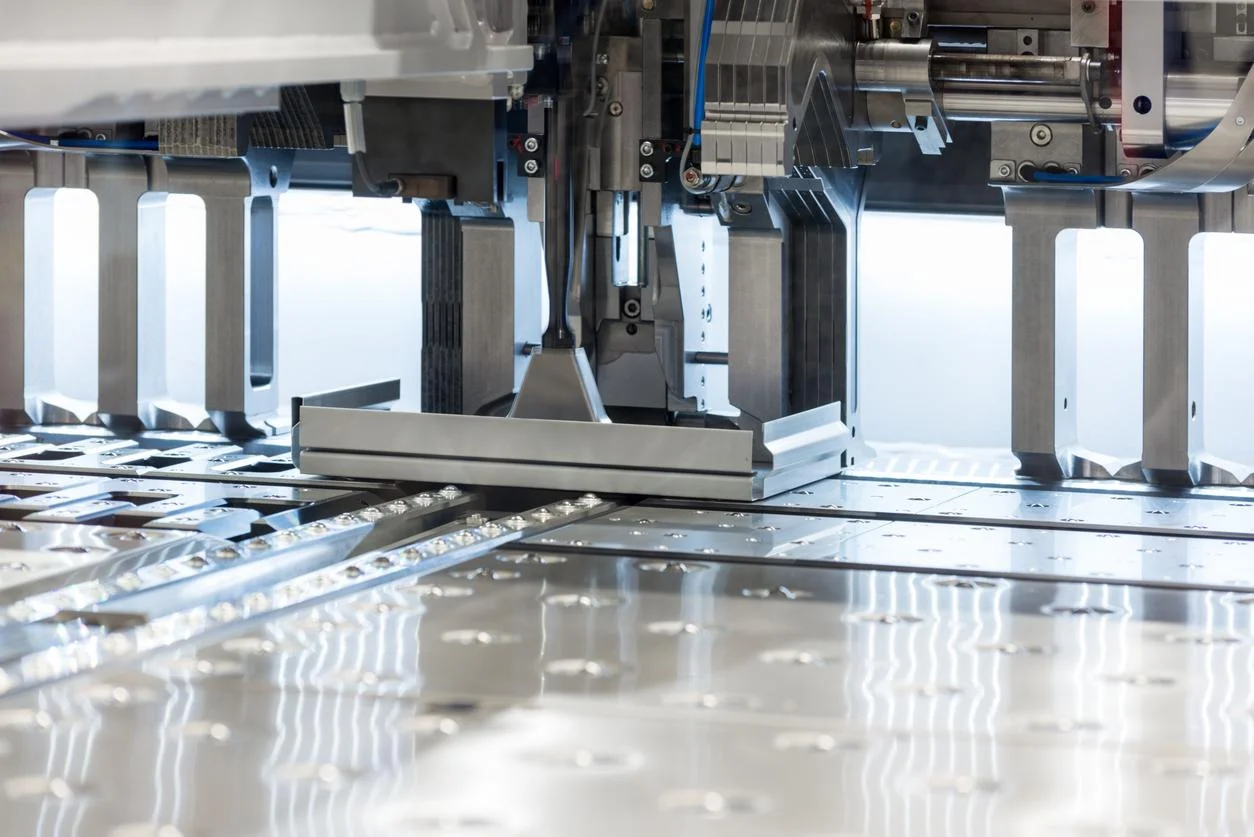
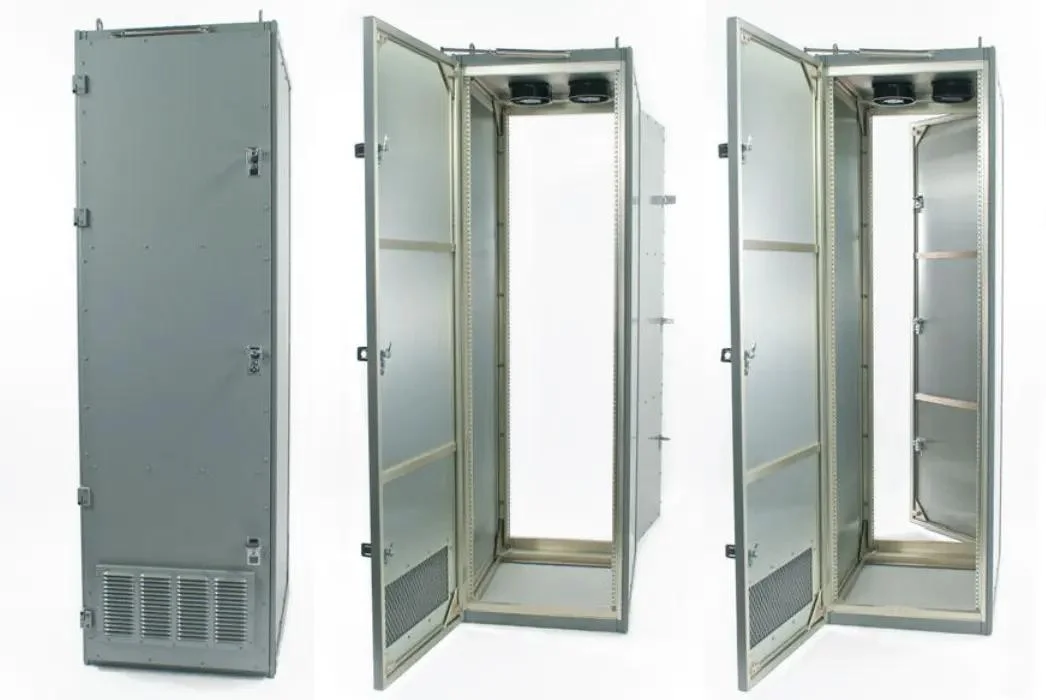
Precision sheet metal production is the backbone of cold rolled steel plate. It seems it’s everywhere: automotive body panels, appliance housings and electrical enclosures.
Cold-rolled vs. hot-rolled steel is not only a manufacturing process detail, but it also affects the quality of the product, dimensional precision, and forming qualities. Cold rolling is a process in which steel is rolled at a temperature below its recrystallization temperature. Cold rolling is a rolling process that is performed at a temperature below the recrystallization temperature of the steel.
Cold rolled steel is a matter of a lot of grade selection. It is not possible to interchange any of the following with SPPC: SPCD, DC01, DC04, DC06. They each have a certain position on the continuum of general purpose forming and extreme deep drawing. The gritting with the wrong grade causes stamping to crack, which will result in rejected parts, higher scrap rates, and unnecessary production costs.
Cold Rolled Steel Plate: What is it?
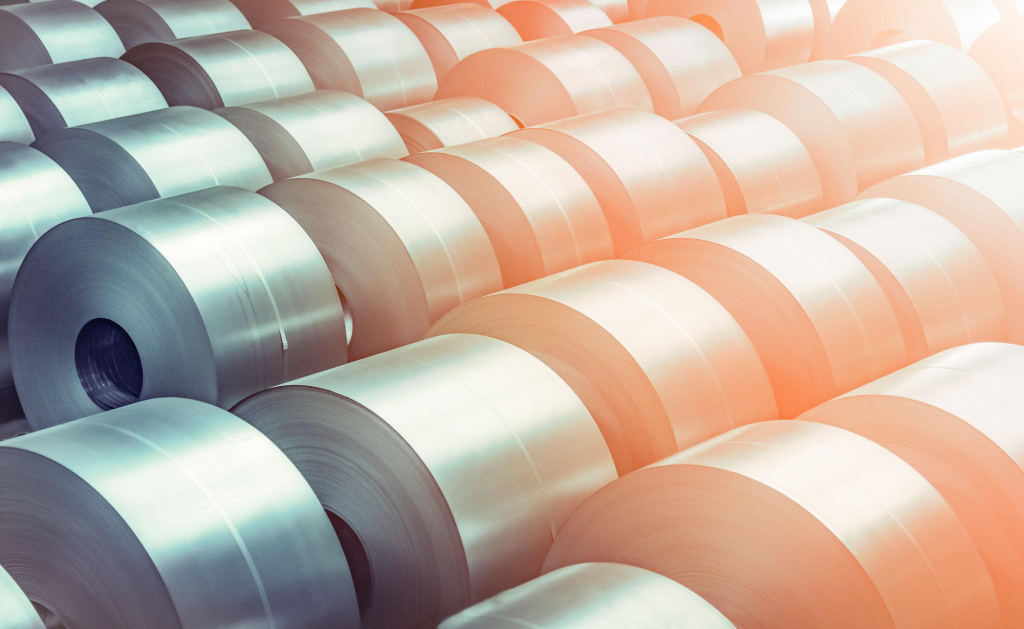
Cold rolling is a process of rolling hot rolled steel coil at room temperature in a rolling mill. It decreases thickness and grain size and gives the material a smooth, clean surface that hot rolled material can’t do.
So, what are the benefits of cold-rolling?
Surface cleanliness:
Free from scratches and burrs; clean enough to be easily painted, coated, and free of other surface defects; no significant surface contamination by dirt, grease, or other substances.
Dimensional accuracy:
Better thickness and flatness tolerances than those of hot-rolled equivalents.
Better strength:
Work hardening, in cold rolling, increases yield strength from the initial hot rolled material.
Controlled microstructure provides consistent performance in various stamping, bending and deep drawing operations, leading to better formability. Cold rolled steel plate is the best base material for any application requiring good appearance, coating adhesion, or tight forming tolerances.
Understanding SPCC and SPCD Steel Grades
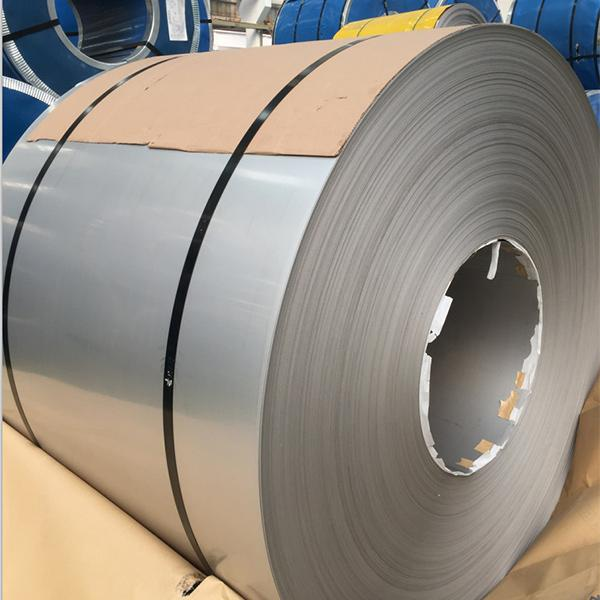
According to JIS G3141, the Japanese Industrial Standard for cold reduced carbon steel sheets, SPCC and SPCD are cold rolled steel grades.
SPCC
SPCC (Steel Plate Cold Commercial) is a commercial quality cold rolled steel. It is designed for general bending, light forming, and applications where deep drawing is not needed, and it is the base grade. It is the most widely available and the most economical type of cold rolled product.
SPCD
The formability of SPCD is still higher than that of SPCC. It has stricter controls on its chemical composition, particularly a lower carbon and a lower manganese level, which enhance its ductility and thereby minimize its susceptibility to cracking in moderate drawing operations.
The difference in practice:
SPCC is used for simple bends and mild forming. Areas that are stamped or drawn and would have surface defects or cracking in SPCC are handled by SPCD. Common SPCD products are light automotive parts, HVAC components and panels for appliances with a consistent forming requirement between production runs.
DC01–DC06 Steel Grades Explained

The European standard EN 10130 is used for defining the grades of DC, which is for cold rolled low carbon steel flat products. They are a step-by-step progression from general forming to extreme deep drawing.
DC01
The general use cold rolled grade is DC01. Its properties are similar to those of SPCC and are suitable for simple bending, light pressing, and structural applications with relatively low forming requirements, good surface finish, readily available, and economical.
DC03
DC03 offers new and enhanced deep-drawing features, enabled by tighter control of carbon content. Good for moderately complex stampings and drawn parts where DC01 would exhibit unpredictable behavior. Occurring frequently in the parts of appliances, in light fixtures, and in electrical panels.
DC01
The deep drawing quality steel, DC04, has good ductility and a high plastic strain ratio (r-value), which is a measure of resistance to thinning during deep drawing. It won’t crack on the surface for complex geometry and tight radius. Typical applications include automotive inner panels, deep-drawn enclosures, and complicated appliance parts.
DC05
The performance of deep drawing is advanced to the next level with DC05. It has a low carbon content, a very high r-value, and excellent uniform elongation, making it ideal for high draw deep and complex contoured automotive and industrial stampings.
DC06
The DC series has the highest formability grade (DC06) of the series, which is an extra deep drawing quality steel with the lowest carbon content, and the best r-value of the series. It has the ability to work in the most geometrically complex areas, such as the exterior of automotive body panels.
Chemical Composition and Mechanical Properties
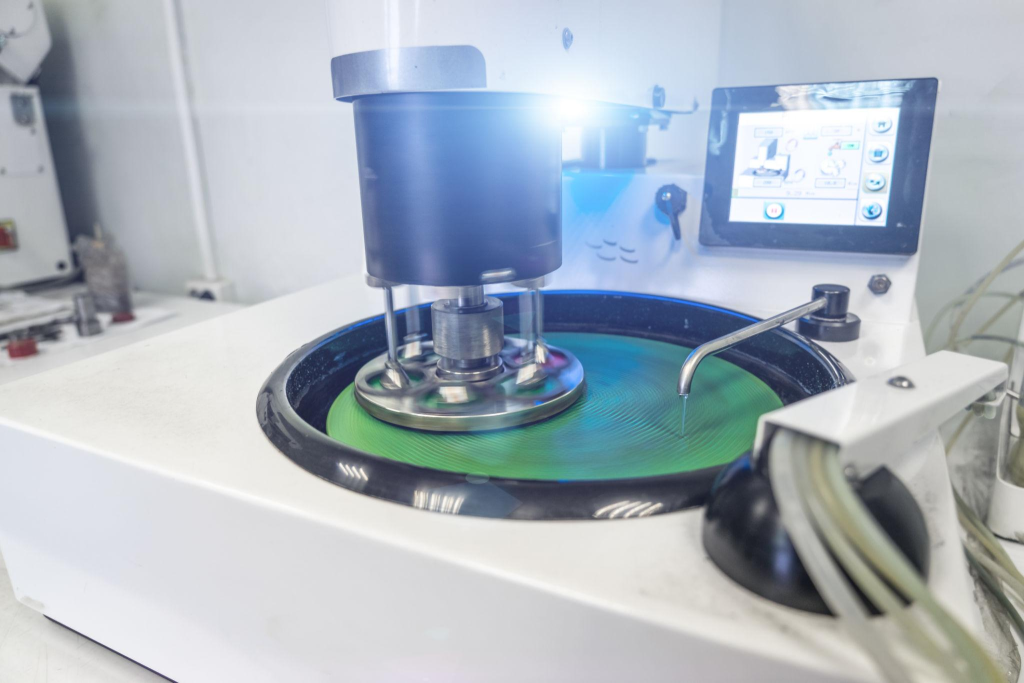
The differences between the various grades of cold rolled steel are mainly based on the carbon, manganese, phosphorus, and sulfur content. The practical effects:
- Decreasing carbon increases ductility and deep drawing performance and decreases the yield strength. The extreme formability of DC06 is due to its exceptionally low carbon content, which is frequently less than 0.02%.
- Manganese affects strength and hardenability. Increasing manganese increases strength but may decrease formability, unless there is an adequate balance with carbon content.
- Phosphorus and sulfur are controlled as contaminants. The consistency of surfaces, weldability, and formability are enhanced at lower levels. Higher grade DC steels have more stringent control over both.
- Weldability is moderate to good across all DC grades. The higher the grade, the lower the carbon content; this can actually be beneficial in some cases, as it helps lower the hardness of the HAZ and the tendency for cracking during welding.
Industrial Applications of Cold Rolled Steel Plates
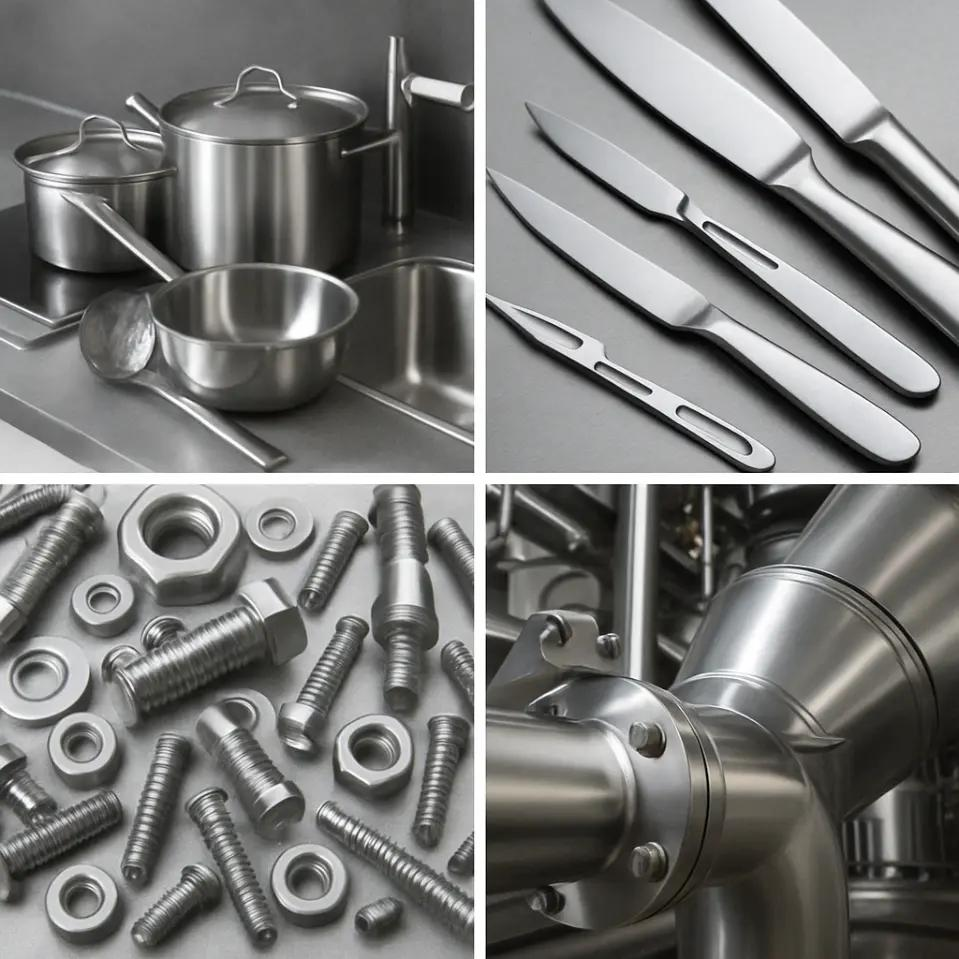
Automotive manufacturing
High formability cold rolled grades are the most widely used in automotive manufacturing. Door panels, hood inners, trunk lids, and structural inner parts are manufactured from DC04, DC05 and DC06. These grades are key to the body-in-white production due to surface quality, forming consistency and weldability.
Home appliances
The moderate forming capability and excellent surface quality when coated with paint provide a range of applications for home appliances, such as washing machine drums, refrigerator liners, oven bodies, air conditioning panels, etc.
Electrical Enclosures and Switchgear
For sheet-metal cabinets, brackets, and enclosure panels, DC01 and SPCC are used for electrical enclosures and switchgear. Requirements for forming moderate, and surface quality is suitable for powder coating without further treatment.
Furniture and Fixtures
Tube sections, brackets and formed structural elements (where appearance and dimensional consistency become more significant than extreme formability) are used in furniture and fixtures, as is cold rolled steel.
Construction components
For construction components such as door frames, window profiles, and light structural sections, DC01 or SPCC is generally applied in situations where no deep drawing is required, and general forming is required.
SPCC vs. DC01: What’s the Difference?
SPCC and DC01 are functionally similar grades that differ primarily in the standard under which they are specified.
| Parameter | SPCC (JIS G3141) | DC01 (EN 10130) |
| Standard Origin | Japan | Europe |
| Yield Strength | ~270 MPa max | ~280 MPa max |
| গঠনযোগ্যতা | General forming | General forming |
| সারফেস ফিনিশ | ভালো | ভালো |
| Common Regions | Asia, Southeast Asia | Europe, global |
SPCC and DC01 are essentially the same for most practical general forming applications. When a drawing or contract defines a specific standard as required, it becomes important when a different standard is used, such as when using the SPCC on an automotive supply chain requiring certification to EN 10130 DC01; this is a documentation issue, not a performance issue.
The Benefits of Cold Rolled Steel Plates:
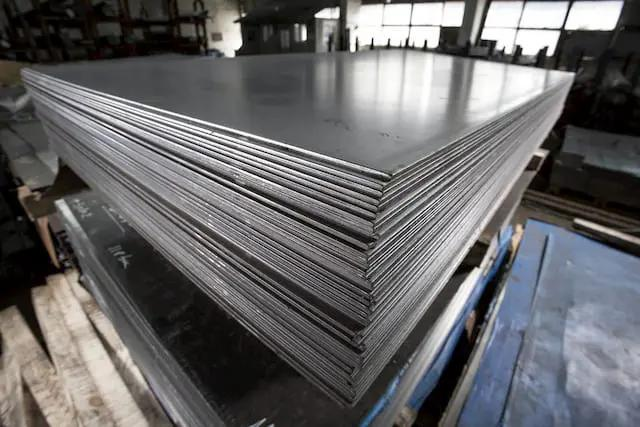
- A surface quality that is suitable for direct coating, painting, or electroplating without heavy preparation.
- High accuracy on both thickness and flatness allows for better tooling performance and less part variation.
- Excellent secondary operations capabilities such as laser cutting, punching, bending, etc.
- Significantly improved appearance over hot rolled steel—essential for visible components such as consumers’ faces
- Uniform mechanical characteristics throughout the coil or plate, minimizing the variations in high volume forming operations.
The Selection of the Correct Grade of Cold Rolled Steel:
- Start a material selection for the forming operation, not only on price.
- SPCC/DC01 can be bent, pressed, and used for enclosures.
- For moderate stamping and drawing applications, SPCD / DC03 is available with improved ductility.
- Parts requiring very complex deep drawing and class surface finishes are ideal for DC05 / DC06.
- The higher grade of the DC steel leads to a lower incidence of cracking, scrap, and tool wear in difficult forming applications.
- Grade selection is highly dependent on the surface finish requirements.
- For higher surface quality, usually DC04 or DC05 is required for the painted and/or visible exterior panels.
- Having trusted steel suppliers and machining partners helps guarantee that the appropriate materials are used.
Frequently Asked Questions
What is the change in mechanical properties and surface finish of the steel plate after cold rolling?
Cold rolling offers work hardening to achieve high yield strength, dimensional control, and a smooth and consistent surface finish. The process improves the grain structure and improves the formability and adhesion of the coating to the surface compared to the hot rolled steel.
What are the main differences between the formability and strength of the SPCC and SPCD grades?
SPCC is of commercial quality and can be used for light forming and general bending. Because SPCD has less carbon and manganese and tighter compositional control, it performs better in moderate drawing operations and has better ductility. SPCD reduces the risk of cracking where SPCC would struggle.
What are the differences between the deep drawing performances and the typical uses of grades DC01 through DC06?
The general forming is done by DC01, moderate to complex deep drawing applications by DC03 & DC04, and extreme forming applications like the complex outer panel of automotive applications by DC05 & DC06. The higher the number, the more plastic the material will be and the lower the yield strength.
What are the common thickness, width, and tolerance range for the specification of cold rolled steel plate?
The standard cold rolled steel plate comes in thicknesses ranging from 0.3 mm to 3.0mm, with a width of up to 1500 mm, and in coil or cut to length. The thickness tolerance is normally ±0.05 mm to ±0.10 mm based on the thickness and width class that is specified as per EN 10131 and JIS G3141.
When buying cold rolled steel plate, what kinds of test certificates and quality standards are normally needed?
Chemical composition and mechanical properties of steel are usually specified on mill test certificates (EN 10204 3.1 or 3.2). There are other documents that are necessary for certain automotive and precision stamping supply chains, such as surface quality certification and forming limit curve data for the higher DC grades.
উপসংহার
The forming performance, surface quality, and production cost of cold rolled steel grades are directly related. In addition to general forming, SPCC/DC01 can handle moderate drawing, and DC04-DC06 are used for deep drawing and the production of complex automotive panels. Selecting the incorrect grade can result in cracking, scrap, and/or unnecessary material expenses.
Whether you are a manufacturer looking for the best match to a specific JIS and/or EN standard, we have the resources and expertise to assist you in making the selection you need. Contact এফএসটি ধাতু now to provide you with high-quality cold-rolled steel tailored to your production needs.