Solar Inverter Enclosures: What Actually Keeps an Inverter Alive Outdoors
A solar inverter takes the direct current produced by the panels. It changes it to alternating current that a building uses and does it for years while exposed to the sun, rain, temperature fluctuations, and the internal heat of the inverter itself. The enclosure around it works harder than most people think. It’s not just a box. It’s what sits between sensitive power electronics and ten or more years of weather.
If you get the enclosure wrong, the consequences are slow to become apparent. The seam that no one thought to seal is eaten away by corrosion. The internal components get heated up faster than they are cooled down and reduce their life. A gasket that seemed perfect on day one can let in enough moisture after two rainy seasons to cause a fault. In this article, you will learn how solar inverters are really fabricated and go into an enclosure for a solar inverter designed to prevent these issues.
Why This Kind of Enclosure Is a Different Design Problem

The junction box and solar inverter enclosure seem similar but perform very different functions. A string inverter puts out real waste heat all day long, and that heat has nowhere to go but out through the enclosure itself. Meanwhile, the enclosure has to keep out rain, dust, and humidity well enough to protect components running at several hundred volts DC.
There are two goals that tug and pull at each other continuously. If an enclosure is sealed so as to prevent moisture from entering, it will also retain the heat, unless some provision is made for it. Ventilation, which can help alleviate the heat problem, can also create an opening for dust and moisture unless it’s carefully designed with screened vents or filtered openings. Solving both at once is what separates a properly built enclosure from a metal box with a lid.
Materials that really stand the test of time

The selection of an appropriate material for the enclosure of an inverter for solar energy depends on a combination of weight, corrosion resistance, and heat-conductive properties of the metal.
Aluminium 5052 is widely used for casings and enclosures where outdoor conditions are expected. It resists corrosion on its own, forms easily, and makes the enclosure lighter, which matters if it will be mounted on a wall or pole instead of the ground.
Алюминий 6061 often shows up where the enclosure design leans on the metal itself for heat dissipation, since aluminum conducts heat well and 6061 offers a bit more structural strength than 5052 for mounting brackets, internal frames, and heat sink surfaces built into the enclosure.
Stainless steel 304
Commonly used for commercial and light industrial enclosures that require cleanliness and good corrosion resistance, 304 is a solid general-purpose material for enclosures that aren’t in a coastal or highly corrosive environment.
Stainless steel 316L is the step up for anything near salt air, coastal installations, or locations with heavier airborne chemical exposure. It resists the kind of corrosion that standard stainless cannot fully handle over years of exposure, which matters because a corroded seam or hinge on an outdoor enclosure eventually becomes a leak path.
Оцинкованная сталь
The budget-friendly choice for enclosures that require rust protection without breaking the bank is galvanized steel, such as grades SECC, SGCC, and DX51D. The zinc coating is applied at the mill, providing a baseline of protection before any additional coating.
Galvalume, specifically grade AZ150
Galvalume is worth a closer look here; grade AZ150 has better weather resistance than standard galvanizing and is already a common choice for PV equipment and for outdoor cabinets in particular. For enclosures that will sit outside for the long haul without the budget for full stainless construction, this is often the more practical middle ground.
One of the costliest errors in this category is selecting the wrong material for the environment, as a malfunctioning enclosure will typically require a field call and may damage the electronics inside. FST Metals works in aluminum, stainless steel, galvanized steel, and Galvalume, which covers what outdoor solar equipment actually needs.
Managing Heat Without Letting the Weather In

Power electronics generate heat as a normal part of operating, and an inverter enclosure has to move that heat out without creating an opening for water or dust to get in.
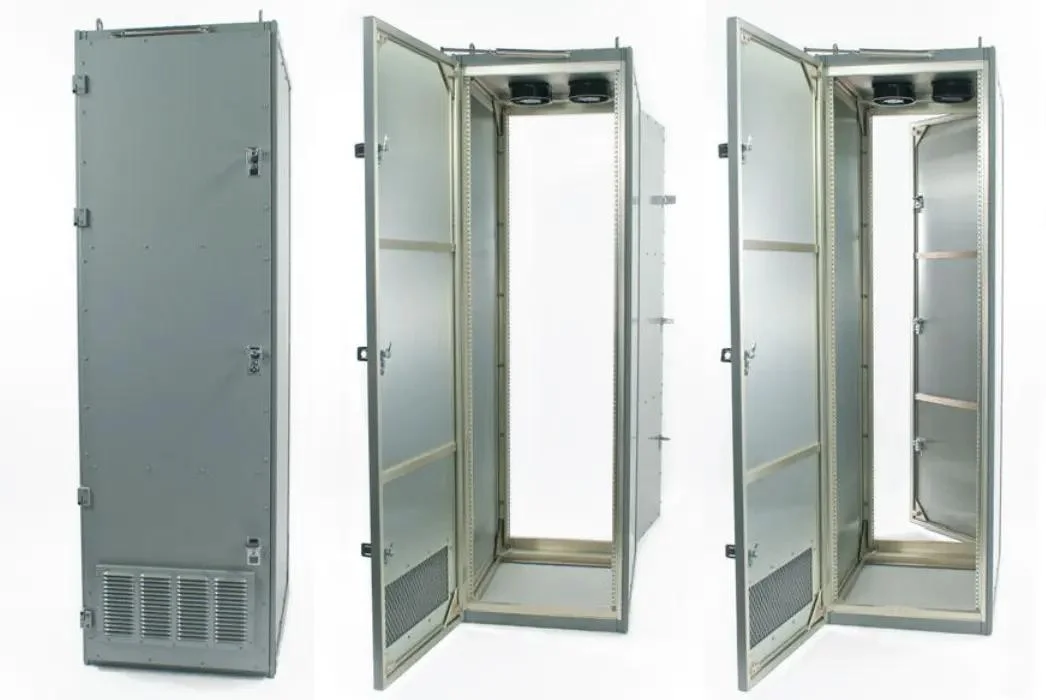
Passive designs are based on the surface area and material conductivity of the enclosure itself for heat dissipation, hence the frequency of aluminum in this use. Active designs add fans or forced airflow, which moves more heat but introduces moving parts and a filtered air path that has to be maintained. Screened and louvered vents allow the flow of air but prevent larger debris and rain from entering the enclosure; however, they must be carefully positioned and sized to not become a weak point in the enclosure’s weather protection.
Enclosure geometry plays a role too. The internal layout, spacing around heat-generating items, and whether or not the design provides a dedicated thermal path away from sensitive electronics are all factors that determine whether an enclosure is in a safe temperature range or slowly toasts its contents during a hot summer.
Weatherproofing and What the Ratings Actually Mean.

Most outdoor electrical enclosures list NEMA or IP ratings, and it helps to understand what these numbers mean.
NEMA 3R
NEMA 3R is the standard for protection from rain, sleet, and a certain amount of ice and is used for general outdoor purposes. NEMA 4 and 4X offer better protection against windblown dust, splashing water, and hose-directed water, and NEMA 4X provides a higher level of corrosion protection and is often used in coastal conditions or highly humid areas.
IP ratings
IP ratings use the same idea in a two-digit code. The second digit is the one that covers water, so an IP65 or IP66 enclosure is built for steady water jets, not just the odd splash. This rating on paper is only as good as the actual build. The enclosure’s field performance depends on gasket material and compression, the flatness of the door and enclosure mating surfaces, and how well the cable entries are sealed. So it is worth asking a fabricator how they verify that a build meets the rating it was designed for, rather than assuming the rating alone tells the full story.
Practical Design Features Worth Knowing About

A few details distinguish an enclosure that lasts a decade from one that becomes an issue in the first year or two.
Gasketed, lockable doors prevent leaks while providing safe maintenance access. Cable glands and conduit entries must be properly sized and sealed to fit the wiring they carry, as oversized or inadequately sealed entries are a common issue that allows water in.
Grounding between the door, frame, and back plate is required to ensure safety, especially for enclosures with parts connected to a higher DC voltage. Drainage details, even something as simple as a slight slope or a weep hole in the right place, help to divert the small amount of moisture that will inevitably enter the box even if it is well sealed.
None of this is hard on its own. But miss one, and that is usually the real reason an enclosure fails early in the field.
What Working With a Fabricator on This Should Look Like

A fabricator with a background in outdoor electrical enclosures should be able to discuss the material, thermal design, and sealing requirements specific to the application instead of just presenting a metal box. You can tell an experienced shop from one that doesn’t have experience building this type of enclosure by asking:
How do you choose gaskets, how do you seal cables into the enclosure, and how do you ensure continuity (grounding) in the enclosure?
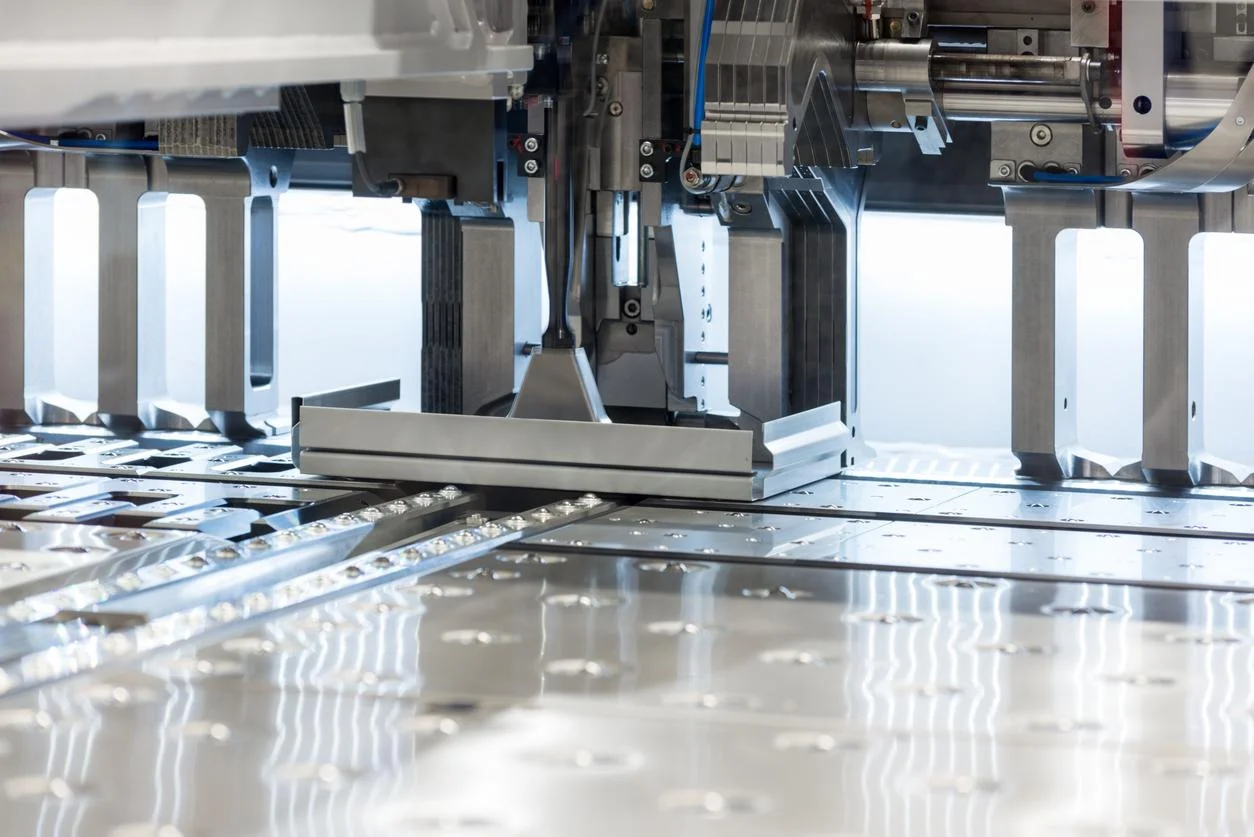
FST Metals combines precision sheet metal fabrication and CNC machining, working with aluminum, stainless steel, and Galvalume, among other materials suited to outdoor equipment. That combination is useful for enclosure projects that need both formed sheet metal panels and machined components, such as heat sink features or mounting hardware, produced from a consistent material source. For enclosures that need to meet a specific NEMA or UL rating, confirm testing and certification status directly for that particular requirement.
Frequently Asked Questions
What material is the best to make solar inverter enclosures for outdoor use?
Aluminum would be a good metal for most installations because it is corrosion-resistant and will dissipate heat. In coastal or corrosive areas, it is often possible to use 316L stainless steel or Galvalume instead.
Why do solar inverter enclosures need vents if they are meant to be sealed?
The inverters generate continuous heat energy that must be dissipated. Screened or louvered vents allow air to flow for cooling without letting dust or insects enter, or water enter directly.
What’s the difference between NEMA 3R and NEMA 4X?
NEMA 3R is designed to resist rain and general outdoor use. NEMA 4X adds protection against washdown water and stronger corrosion resistance, typically specified for coastal or industrial environments.
Does a higher NEMA or IP rating always mean a better enclosure?
Not necessarily for every application. A higher rating generally means a higher cost and may also limit airflow, which may not be ideal depending on the specific environment.
Can you use aluminum in conjunction with stainless steel in the same enclosure?
Yes, but dissimilar metals can be subject to galvanic corrosion over time, and fastenings and mounting points should be designed to accommodate that with suitable isolation or coating.
In a Nutshell
The key to the right enclosure is choosing the right material, thermal design, and weatherproofing rating for the specific site the inverter will be placed in for years. A coastal site and a dry inland site don’t need the same enclosure, even if the inverter is the same model. Getting that match right up front costs less than fixing a corroded or overheated enclosure two years in.